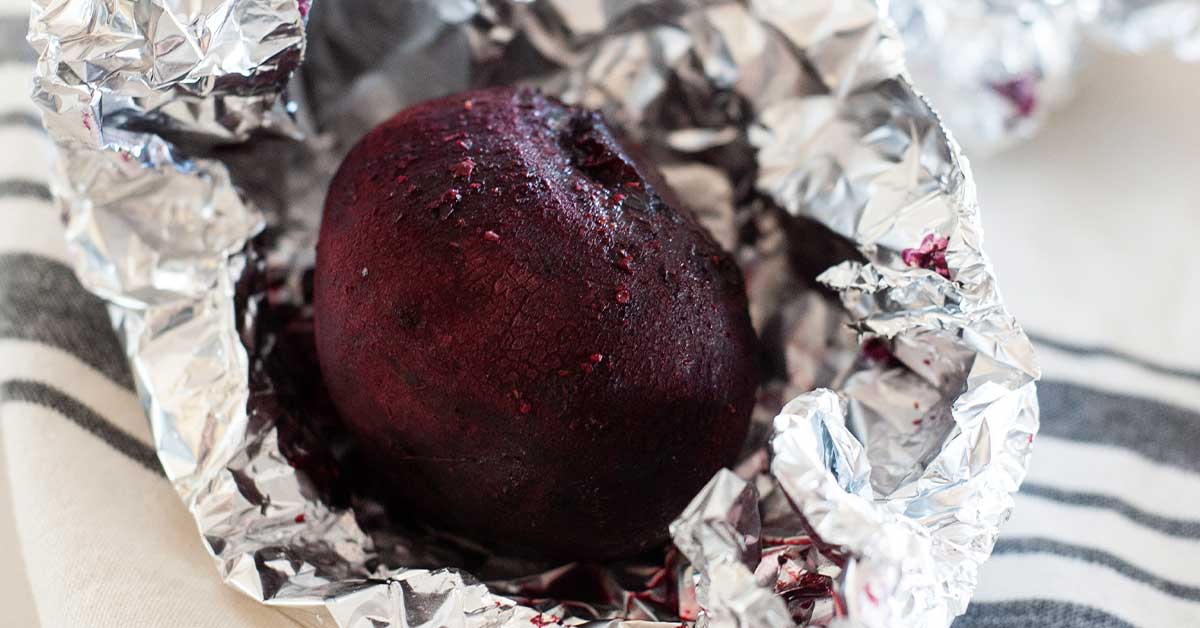
Beets, with their vibrant hues and earthy sweetness, are a culinary gem often overlooked or misunderstood. While some may recall them as a canned, watery afterthought, properly prepared beets transform into a succulent, candy-sweet delight that can elevate any meal. The secret to unlocking this potential, to achieving that perfect balance of tenderness and intense flavor, lies in a simple yet revolutionary technique: the foil-wrapped roast. If you've ever wondered how to roast beets that are consistently sweet, tender, and incredibly easy to peel, then prepare to discover your new favorite method.
Gone are the days of dry, shriveled beets or nutrients lost to boiling water. This method harnesses the power of steam and heat, concentrating the beet's natural sugars and aromas into a truly remarkable culinary experience. It's the go-to technique for home cooks and professional chefs alike, ensuring How to Roast Beets: Sweet, Tender & Easy Peel Every Time.
Why the Foil-Wrapped Method Reigns Supreme for Roasting Beets
When considering how to roast beets, many might default to boiling or simply baking them uncovered. While these methods can yield edible results, they often fall short of perfection. Boiling beets, though quick, strips away precious nutrients and flavor, leaving you with diluted sweetness and a texture that can be too soft. You'll literally see that wonderful beet juice, brimming with flavor and vibrant color, going down the drain.
Roasting beets plain, without any covering, also has its drawbacks. The dry heat of the oven can dehydrate the beets, leaving them shriveled, tough, and lacking that coveted juiciness. Moreover, this uncovered approach tends to take significantly longer, and the outer layers can become leathery before the interior is fully tender. It's an inefficient and often disappointing way to prepare this humble root vegetable.
The genius of the foil-wrapped method lies in its hybrid approach. By encasing the beets in a tightly sealed pouch of heavy-duty aluminum foil, you create a miniature, high-pressure steam oven right within your conventional oven. This ingenious environment offers several key advantages:
- Efficient Heat Transfer: Moist, steamy air is far more effective at conducting heat than dry air. This means your beets cook faster and more evenly, reaching tenderness without becoming parched.
- Flavor Concentration: All the natural aromas and precious beet juices are trapped within the foil pouch. Instead of evaporating, these compounds circulate around the beets, infusing them with an intensified, concentrated sweetness and rich, earthy flavor.
- Perfect Tenderness: The combination of steam and radiant heat ensures the beets become incredibly tender throughout, maintaining a delightful bite without any mushiness.
- Effortless Peeling: Perhaps one of the most beloved benefits of this method is how easily the peels slip off once the beets are cooked. A quick rinse under cool water, and the skin slides away with minimal effort, saving you time and mess.
This technique elevates the simple act of cooking beets into an art form, guaranteeing consistently delicious results every time you decide to roast beets.
Selecting Your Beets for Optimal Roasting
The journey to perfectly roasted beets begins at the grocery store or farmer's market. Choosing the right beets sets the stage for success. Here’s what to look for:
- Firmness and Weight: Always pick beets that feel firm and heavy for their size. This indicates a good moisture content and freshness. Avoid any that feel soft, spongy, or have wrinkled skin.
- Fresh Greens: If the beets still have their greens attached, they should look vibrant, crisp, and fresh, not wilted or yellowed. The greens themselves are edible and delicious, so don't discard them!
- Size Matters: Medium-sized beets are generally the sweet spot, typically taking about an hour to roast perfectly. If you have a mix of sizes, be prepared for varying cooking times. Smaller beets might be done in as little as 45 minutes, while larger ones could take up to 90 minutes.
- Color Varieties: While red beets are the most common, don't shy away from golden or striped (Chioggia) varieties. They all roast beautifully using the same method. A handy pro-tip: If you're roasting both red and golden beets simultaneously, wrap them individually in foil. This prevents the vibrant red pigment from bleeding onto the more delicate golden ones, preserving their distinct hues for a more visually appealing dish.
Your Step-by-Step Guide: How to Roast Beets to Perfection
Mastering how to roast beets with the foil-wrapped method is incredibly straightforward. Follow these steps for tender, sweet, and easy-to-peel results every time:
- Preparation is Key:
- Wash Thoroughly: Start by giving your beets a good scrub under cold running water to remove any dirt.
- Trim the Greens (but not entirely!): Trim off the beet greens, leaving about an inch of the stem attached. This small stub is crucial as it helps prevent the beets from "bleeding" out their valuable red juice during roasting, keeping all that flavor locked inside. You can save the greens for another dish!
- A Touch of Oil: Lightly rub each beet with a thin layer of olive oil. This helps conduct heat, contributes to a tender exterior, and prevents sticking. While optional, a pinch of salt and pepper or a sprig of fresh thyme or rosemary tucked into the foil can further enhance the flavor profile.
- The Foil Pouch:
- Individual Wrapping: For best results, especially with different sizes or colors, wrap each beet individually in a piece of heavy-duty aluminum foil. Ensure the foil is tightly sealed around the beet, creating a secure package.
- Group Pouch (for similar sizes): If you're roasting several beets of similar size, you can create a single, larger foil pouch. Place the oiled beets in the center of a large sheet of foil, bring the edges up, and crimp them tightly to form a sealed packet. The key is to prevent any steam from escaping.
- Oven Temperature and Time:
- Preheat: Preheat your oven to a moderately hot 375°F (190°C). This temperature is ideal for creating the steam environment without burning the beets.
- Roast: Place the foil-wrapped beets directly on an oven rack or on a baking sheet. Roast for approximately 45 to 90 minutes, depending on their size. Medium beets typically take around 60 minutes.
- Testing for Doneness: The beets are ready when they are easily pierced with a fork or a sharp knife. They should feel tender throughout. If they offer resistance, reseal the foil and continue roasting for another 10-15 minutes before checking again.
- Cool and Peel: Once roasted, carefully remove the beets from the oven. Allow them to cool slightly in their foil packets until they are cool enough to handle. Then, under a gentle stream of cool running water, the skins will magically slip right off with a little gentle rubbing. The water helps to cool them further and washes away any residual skin.
Enhancing Your Roasted Beets: Flavor Pairings and Serving Ideas
Once you've mastered how to roast beets, the culinary possibilities are endless. Their inherent sweetness and earthy notes make them incredibly versatile. To accentuate their natural flavors, consider these pairings:
- Sweetness Boost: A touch of sweetener in a dressing, such as honey, maple syrup, or a balsamic glaze, beautifully complements the beet's natural sugars.
- Tang and Zest: Citrus, like orange segments or a squeeze of lemon juice, provides a refreshing contrast.
- Creamy Indulgence: Cheeses, especially tangy goat cheese, creamy feta, or a mild blue cheese, are classic partners.
- Crunch and Texture: Toasted nuts, such as walnuts, pecans, or pistachios, add a delightful textural contrast.
- Herbaceous Notes: Fresh herbs like dill, mint, parsley, or chives brighten the dish.
Serve your perfectly roasted beets in salads, as a vibrant side dish, pureed into a hummus or dip, or even pickled for a longer-lasting treat.
Storing Your Perfectly Roasted Beets
One of the beauties of this method for oven roasted beets is their excellent shelf life, making them perfect for meal prep. You can roast a big batch and enjoy them throughout the week. Once cooled and peeled, store your roasted beets in an airtight container in the refrigerator for 3 to 5 days. For more detailed insights on flavor and storage, you can Master Oven Roasted Beets: Tips for Flavor, Tenderness & Storage.
The foil-wrapped secret transforms the humble beet into a culinary star. By creating a self-steaming environment, you unlock unparalleled sweetness, tenderness, and an ease of peeling that makes preparing them a joy. This method guarantees perfectly cooked beets every single time, ready to be enjoyed in countless delicious ways. So, grab your beets, a roll of foil, and get ready to experience the true potential of this incredible root vegetable.
