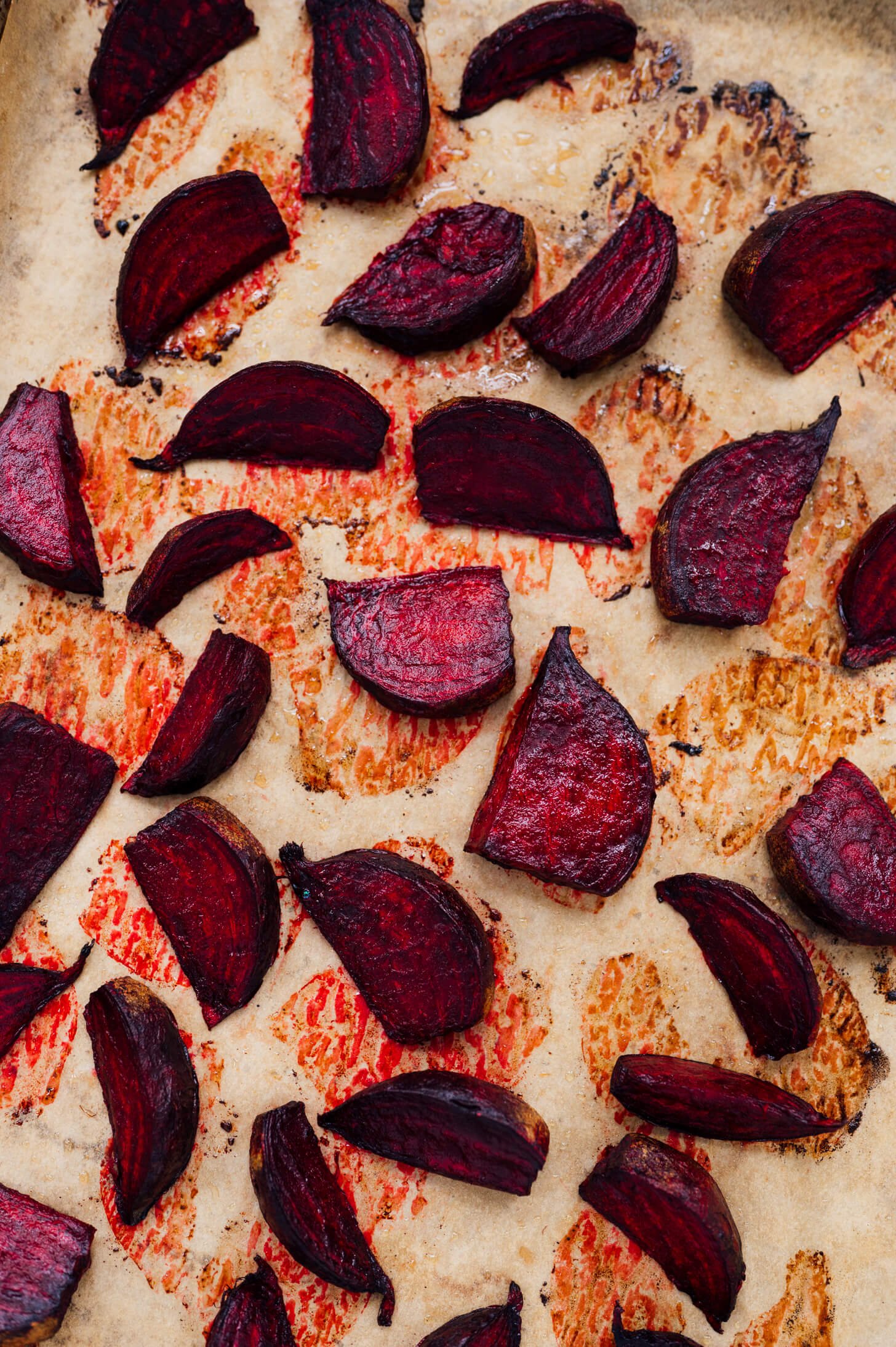
Beets often get a bad rap. Some find their earthy flavor too strong, others recall rubbery, watery versions from childhood. But what if we told you that with a simple, foolproof technique, you could transform this humble root vegetable into a naturally sweet, incredibly tender, and surprisingly easy-to-peel culinary delight? Learning how to roast beets is not just about cooking a vegetable; it's about unlocking its full potential, turning skeptics into enthusiasts, and adding a vibrant, nutritious side dish to your repertoire.
The secret lies in a method that combines the best of steaming and dry roasting, creating an environment where beets can truly shine. Forget boiling away precious nutrients and flavor, or ending up with dry, shriveled roots. Our comprehensive guide will walk you through achieving perfectly roasted beets every single time, ensuring they emerge from the oven sweet, melt-in-your-mouth tender, and with skins that practically slide off.
Why Roasting Beets is the Superior Cooking Method
When it comes to preparing beets, you have options: boiling, steaming, pressure cooking, or roasting. While each has its place, only one method consistently delivers that coveted balance of intense sweetness, deep earthiness, and yielding texture while making the peeling process a breeze. That method is oven roasting, specifically using a tightly sealed foil pouch.
- The Downside of Boiling: Boiling beets is fast and efficient, but it comes at a cost. As the beets cook in water, a significant amount of their vibrant color, water-soluble vitamins, and delicate sugars leach into the cooking liquid. This leaves you with a paler, less flavorful beet and a pot of reddish water that, while useful for some applications, often goes down the drain. The resulting texture can also be less firm and more waterlogged compared to roasting.
- The Pitfalls of Dry Roasting: Roasting beets unwrapped on a baking sheet is certainly better for flavor retention than boiling. However, without any added moisture, beets can sometimes become dry and shriveled, especially if overcooked. They also tend to take a longer time to become tender, and the skins can cling stubbornly, making peeling a frustrating task.
- The Hybrid Advantage: The Foil-Wrapped Secret: Our preferred method is a genius hybrid that leverages the benefits of both steaming and roasting. By enclosing the beets in a tightly sealed packet of heavy-duty aluminum foil, you create a miniature, steam-filled oven within your main oven. This moist, high-heat environment offers several key advantages:
- Faster, More Even Cooking: Moist air is significantly more efficient at transferring heat than dry air. This means your beets cook more quickly and evenly, ensuring consistent tenderness throughout.
- Flavor and Aroma Retention: Unlike boiling, all the aromatic compounds and natural sugars released during cooking are trapped within the foil pouch. This intensifies the beet's inherent sweetness and deep earthy notes, resulting in a more flavorful end product.
- Effortless Peeling: This is arguably the biggest bonus. The steam created inside the foil works wonders on the beet skins, loosening them from the flesh. Once cooked, the peels will simply slip right off under cool running water, often without the need for a knife or peeler. This dramatically reduces prep time and mess. For more on this clever trick, check out The Foil-Wrapped Secret to Perfectly Sweet Roasted Beets.
In essence, this method for how to roast beets delivers perfectly cooked beets that are sweet, tender, and incredibly easy to handle, all while maximizing their natural flavor and nutritional value.
Selecting and Preparing Your Beets for Roasting Success
The journey to perfectly roasted beets begins long before they hit the oven. Choosing the right beets and giving them proper initial preparation sets the stage for success.
Choosing the Best Beets
When you're at the grocery store or farmers' market, look for quality:
- Firmness and Weight: Pick beets that feel firm and heavy for their size. This indicates good moisture content and freshness. Avoid any that feel soft, spongy, or show signs of shriveling.
- Fresh Greens (Optional but a good sign): If the beets still have their greens attached, they should look fresh, vibrant, and unwilted. This is a strong indicator of overall freshness. Don't discard the greens; they can be cooked like Swiss chard or spinach!
- Size Matters (for consistency): Medium-sized beets (roughly 2-3 inches in diameter) are ideal for roasting. They typically cook in about an hour. If you have a mix of sizes, be aware that smaller beets may be done in 45 minutes, while larger ones could take up to 90 minutes. For batch roasting, try to select similarly sized beets for more even cooking.
- Golden vs. Red Beets: Both golden and red beets can be roasted using this same method. If you plan to roast both varieties together and want to maintain the distinct golden color, it's a good idea to wrap them individually in foil. This prevents the vibrant red beets from "bleeding" their color onto the golden ones.
Initial Preparation Steps
Once you've brought your beautiful beets home, follow these simple steps:
- Wash Thoroughly: Rinse the beets well under cool running water to remove any dirt or soil. A scrub brush can be helpful here, but be gentle.
- Trim the Greens (and Stems): If your beets came with greens, trim them off, leaving about an inch of the stem attached. Keeping a small piece of the stem (and the root end) intact during roasting helps prevent the beets from "bleeding" too much of their colorful juices during cooking, keeping more flavor locked inside. Save the greens for another dish!
- No Need to Peel Raw: Resist the urge to peel the beets before roasting. The magic of this method is that the skins will come off effortlessly after they're cooked.
- Lightly Oil (Optional but Recommended): For a little extra flavor and to help protect the skins, you can lightly rub each beet with a touch of olive oil before wrapping. This also aids in the steam-cooking process.
The Step-by-Step Guide to Perfectly Roasted Beets
With your beets selected and prepped, it's time for the main event. This method is incredibly straightforward and guarantees fantastic results.
- Preheat Your Oven: Set your oven to a moderately hot 375°F (190°C). This temperature is ideal for roasting beets, allowing them to cook through without burning the outside.
- Prepare the Foil Pouch:
- Tear off a generous piece of heavy-duty aluminum foil for each beet, or a larger piece if you're wrapping several similarly sized beets together in one packet. Ensure there's enough foil to create a securely sealed pouch.
- Place one or more beets in the center of the foil.
- Enhance Flavor (Optional): This is a great time to add a small drizzle of olive oil, a sprig of fresh thyme or rosemary, or a clove of garlic to each pouch. These aromatics will infuse the beets with subtle complementary flavors as they roast.
- Bring the edges of the foil up and over the beets, then crimp them tightly together to form a completely sealed packet. The goal is to trap all the steam inside, so make sure there are no gaps for moisture to escape.
- Roast the Beets: Place the foil-wrapped beets directly on an oven rack or on a baking sheet. Roasting time will vary based on size:
- Medium beets (2-3 inches): 50-70 minutes
- Smaller beets: 40-50 minutes
- Larger beets (3+ inches): 70-90 minutes
- The Easy Peel Revelation: Once the beets are tender, remove them from the oven. Let them cool in their foil packets for about 10-15 minutes, or until they are cool enough to handle comfortably.
- Under cool running water, gently rub the skin with your fingers or a paper towel. The skins will miraculously slip right off! The stem and root ends can also be easily pinched off after peeling.
- Alternatively, you can just peel them over a bowl without water. The skins still come off easily.
Elevating Your Roasted Beets: Flavor Pairings and Storage
Now that you've mastered how to roast beets, it's time to enjoy them! Their sweet, earthy flavor makes them incredibly versatile, pairing well with a wide range of ingredients.
Delicious Flavor Pairings
Roasted beets are fantastic on their own, but they truly sing when combined with complementary flavors:
- Sweet & Tangy Dressings: A touch of sweetness really accentuates the beet's natural sugars. Try a dressing made with a drizzle of honey or maple syrup, a splash of balsamic or red wine vinegar, and a good olive oil.
- Cheeses: Goat cheese is a classic for a reason! Its tangy creaminess perfectly balances the earthy sweetness of beets. Feta, blue cheese, or even a mild ricotta are also excellent choices.
- Nuts: Toasted walnuts, pecans, pistachios, or pine nuts add a delightful crunch and nutty depth.
- Citrus: A squeeze of fresh orange or lemon juice, or even segments of orange, brightens the flavor profile beautifully.
- Herbs: Fresh dill, parsley, mint, or chives add freshness and aromatic complexity.
- Other Vegetables: Roasted beets are wonderful mixed into salads with arugula, spinach, or kale, or alongside other roasted vegetables like carrots and parsnips.
Serving Suggestions
- Simple Side Dish: Toss warm, peeled, and cubed roasted beets with a little olive oil, salt, pepper, and fresh herbs.
- Vibrant Salads: Add sliced or diced roasted beets to green salads, grain bowls, or even potato salads.
- Warm Appetizers: Serve warm beet slices topped with crumbled goat cheese, a sprinkle of nuts, and a balsamic glaze.
- Hummus or Dips: Puree roasted beets with chickpeas, tahini, and lemon for a colorful and flavorful beet hummus.
Storage and Make-Ahead Tips
Roasted beets are fantastic for meal prep, making them an easy addition to weeknight dinners or lunches throughout the week. For more advanced tips and tricks, refer to Master Oven Roasted Beets: Tips for Flavor, Tenderness & Storage.
- Refrigeration: Once peeled and cooled, roasted beets can be stored whole, sliced, or diced in an airtight container in the refrigerator for 3 to 5 days.
- Freezing: For longer storage, you can freeze peeled and cut roasted beets. Arrange them in a single layer on a baking sheet to freeze, then transfer to a freezer-safe bag or container. They'll keep for several months.
- Batch Roasting: Since the process is so easy, consider roasting a large batch at once. You'll have delicious, ready-to-use beets for various meals throughout the week.
Mastering how to roast beets is a truly rewarding culinary skill. With this simple foil-wrapped method, you'll consistently achieve beets that are wonderfully sweet, perfectly tender, and incredibly easy to peel, transforming a once challenging vegetable into a go-to favorite. So, grab some beets, fire up your oven, and prepare to be delighted by the vibrant flavor and effortless preparation of this nutritious root.
